

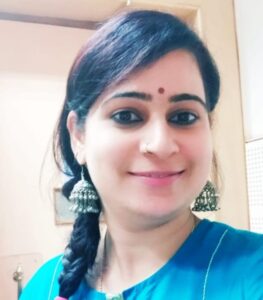
HOD
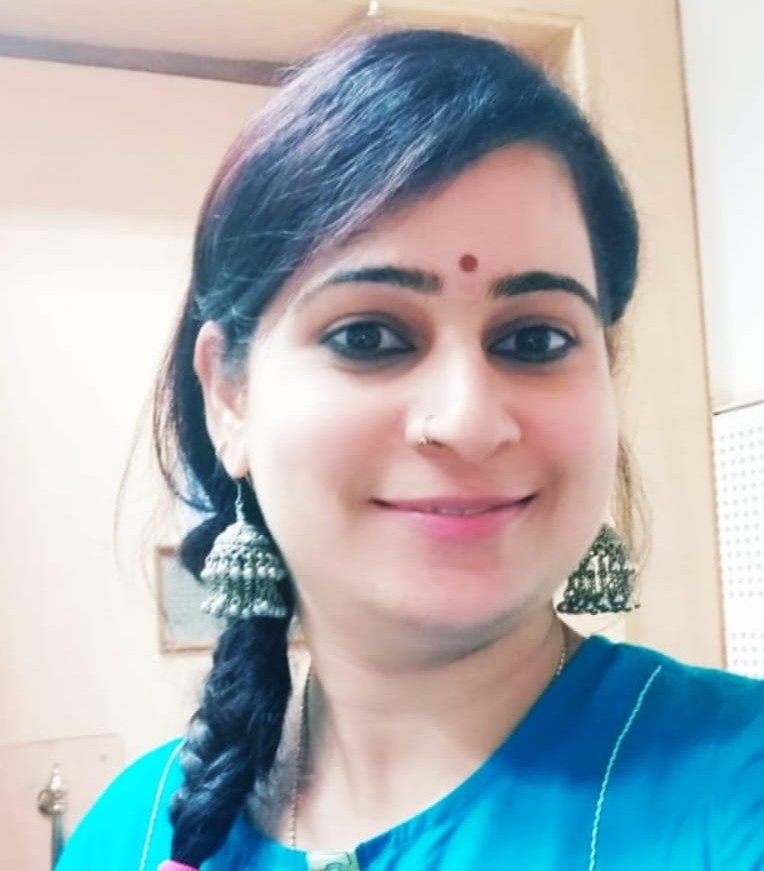
Dr. Pooja Dabas
Ph.D., M.Phil., MJMC, BJMC (Gold Madelist)
School of Journalism & Mass Communication (SoJMC)
Certificate Program
Certificate Course in Radio Jocky – 6 Months
Certificate Course in New Media Introduction – 6 Months
Certificate Course in Web Media Script & Content Writing – 3 Months
Certificate Course in Basic Course In Photography With Camera – 3 Months
Certificate Course in Public Relation & Digital Marketing – 6 Months
UG – (Three Years Degree Program)
PG – (Two Years Degree Program)
PG Diploma – ( One Year PG Diploma Program)
Doctoral Program – Ph.D Program
The candidates are shortlisted on basis of the qualifying examination as per eligibility criteria prescribed by the University. The merit list is displayed and shortlisted candidates are required to attend a personal counselling session, to be eligible to get an offer for admission to the program. The personal counselling committee selects students on the basis of candidates’ qualifying testimonials, credentials and medical examinations.
REGISTRATIONS
Registrations are now open for the 2026-2027 batch.
Contact Information:
For more information please contact:
+91-7300563131, +91-9927026351
Email Id: masscom@sparshhimalayauniversity.edu.in
| Course | Duration (Years) | Tuition Fee per Semester | Eligibility | |
| For All India Candidate | For Uttarakhand Candidate | |||
| Certificate Course in Radio Jocky | 6 Months | Rs. 6,000 | Rs. 4,200/- | 10+2 |
| Certificate Course in New Media Introduction Course | 6 Months | Rs. 6,000 | Rs. 4,200/- | 10+2 |
| Certificate Course in Web Media Script & Content Writing Course | 3 Months | Rs. 6,000 | Rs. 4,200/- | 10+2 |
| Certificate Course in Basic Course In Photography With Camera | 3 Months | Rs. 6,000 | Rs. 4,200/- | 10+2 |
| Certificate Course in Public Relation & Digital Marketing | 6 Months | Rs. 6,000 | Rs. 4,200/- | 10+2 |
| BJMC | 3 Years | Rs. 12,600 | Rs. 8,600/- | 10+2 |
| MJMC | 2 Years | Rs. 15,600 | Rs. 10,800/- | Graduation |
| PG Diploma JMC | 1 Year | Rs. 15,000 | Rs. 10,500/- | Graduation |
Note:
- Registration Fee – Rs. 1000 at the time of Registration (One Time).
- Enrollment Fee – Rs. 1000 at the time of admission (One Time).
- Examination Fee will be decided by the university at the time of examination.
- Alumini & Convocation Fees will be extra.
- Rs. 200/- for ID Card will be taken by University at the time of Admission.
Department of Mass Communincation
- Bachelor in Journalism and Mass Communication
Eligibility Criteria: 10+2 from a recognized educational board.
Duration: 3 years (6 semesters)
About the Programme:
This programme aims to provide a comprehensive learning framework within which Mass Communication and Journalism may respond to the changing needs of the Media and Entertainment Industry. This curriculum seeks to foster a grasp of basic communication ideas, as well as knowledge of modern communication technologies and social responsibility.
Course Objective:
- This course throws focuses all aspects of journalism and creative writing. It promotes creative writing, journalistic skills and starting of own publications in the current media scenario. In addition, it enhances proficiency in writing skills in social media.
- To make aware students of their creative skills on various media forums.
- To enhance proficiency in creative writing, journalism skills and content creation for various media.
- To inculcate human values, journalistic and creative writing kills in Indian culture and society.
Career Path:
- Journalist
- Editor
- Photo Journalist
- Public Relations Officer
- Content Writer
- News Agencies
- Advertising Agencies
- Assistant Editor
- Copy writer/Feature Writer
- Deputy Editor
- Sports Journalist
- Media Advisor
- Reporters and Correspondents
- Media Strategist
- Master in Journalism & Mass Communication
Eligibility Criteria:
Applicant must be graduate in any discipline from recognized University.
Duration: 2 years (4 semesters)
About the Programme:
The programme provides students with an understanding of Mass Communication, its impact on human and social spheres. The curriculum provides training in basic skills in different areas of mass communication and prepares professionals to possess the ability to produce, present and disseminate information in accordance with the high standards of media organizations, NGOs and others.
Course Objectives:
- To provide a comprehensive understanding of Mass Communication and its impact on the society.
- To empower students with strong academic knowledge and professional skills to enable them to excel in their profession.
- To prepare future leaders of mass communication with creativity, insightful attitudes, language skills, morality and other necessary skills.
- If you are passionate, creative, have good communication skills and wish to pursue a career in a variety of fields in traditional news media and publishing, advertising, public relations or web journalism, then this programme is for you.
Career Path:
- Journalist
- TV Correspondent
- Editor
- Photo Journalist
- Event Manager
- Critic
- Public Relations Officer
- Content Writer
- News Agencies
- Advertising Agencies
- Media Advisor
- NGOs
- PHD journalism & mass communication
Eligibility Criteria:
- Candidates must hold a master’s degree in journalism or Mass Communication /journalism & mass communication from a recognized university.
- In order to pursue a PhD, they must have a minimum percentage of 55%.
- Candidates should also have cleared either national/ state/ university level entrance examination.
Duration:
- PhD in Journalism and Mass communication is a research degree course where the course duration can range between 3-6 years, depending upon the area of research.
About the Programme:
The Ph.D. degree in journalism & Mass Communications provides future academics and professionals with rigorous training in theory and research with highly individualized programs that students develop in consultation with their advisors.
The research process culminates in the discovery and reporting of new knowledge to others.
Course Objectives:
A doctoral dissertation in journalism & Mass Communications demonstrates a student’s ability to examine in detail an important issue in the field, using original research. Faculty members expect the dissertation to be clearly presented while conveying the student’s close familiarity with his or her research area.
Career Path:
Students holding a PhD in Mass Communication have a many job opportunities in India and abroad. Students can work as an editor, researchers, lecturers, professors, media consultants, Free Lance Writer, journalist, editor, Communication and Brand Promotion Executive, Marketing and communication associate and so on in sectors including print journalism, communication, and all media.
| Details | Photo | Qualification | Experience | Research Area | Achievements | Publications | Books |
| Dr. Pooja Dabas Associate Professor Mass Com |
| Ph.D., M.Phil., MJMC, BJMC (Gold Madelist) | 15+ years | Misinformation, Media Literacy, Social Media Platforms, AI and Media |
| 8 | 1 |
| Dr. Supriya Raturi Assistant Professor Mass Com |
| Ph.D., MJMC, BJMC |

The field of Mass Communication is one of the most dynamic and rapidly evolving career domains in today’s digital-driven world. At Sparsh Himalaya University, Dehradun, the Department of Mass Communication prepares students to become skilled communicators, creative storytellers, and responsible media professionals equipped to thrive in diverse industries.
Expanding Scope of Mass Communication With the growth of digital platforms, social media, OTT services, and global communication networks, the demand for trained media professionals has increased significantly. Mass Communication is no longer limited to traditional journalism—it now includes digital media, advertising, public relations, content creation, filmmaking, and corporate communication.
Students pursuing Mass Communication gain exposure to both theoretical knowledge and practical skills, enabling them to adapt to the ever-changing media landscape.
Diverse Career Paths
Graduates from the Department of Mass Communication can explore a wide range of career opportunities, such as:
1. Journalism (Print, Electronic & Digital)
- News Reporter
- Sub-Editor / Editor
- News Anchor
- Investigative Journalist
- Content Writer / Blogger
- Broadcasting & Production
- TV Producer / Director
- Radio Jockey (RJ)
- Video Editor
- Camera Person
- Script Writer
- Advertising & Public Relations
- Advertising Executive
- Brand Manager
- Media Planner
- Public Relations Officer (PRO)
- Corporate Communication Specialist
- Digital Media & New Age Careers
- Social Media Manager
- Digital Marketing Specialist
- SEO Analyst
- YouTuber / Influencer
- Podcast Producer
- Film & Creative Industry
- Film Director / Assistant Director
- Screen writer
- Cinematographer
- Production Manager
- Employment Sectors
Students can find employment in multiple sectors, including:
- News Channels and Newspapers
- Radio Stations and Podcast Platforms
- Film and Television Industry
- Advertising Agencies
- Digital Marketing Companies
- Corporate Houses and MNCs
- Government and Non-Government Organizations (NGOs)
- Educational and Research Institutions
- Higher Education & Research Opportunities
After completing their degree, students can also pursue:
- Master’s Degree in Mass Communication or Journalism
- PG Diploma in specialized fields (Digital Media, Film Making, PR, etc.)
- D. in Mass Communication
- Research and Academic Careers
Why Choose Sparsh Himalaya University?
- Industry-oriented curriculum aligned with modern media trends
- Practical training through studio work, projects, and internships
- Exposure to digital tools and content creation platforms
- Opportunities to participate in workshops, seminars, and media events
- Guidance from experienced faculty and media professionals.
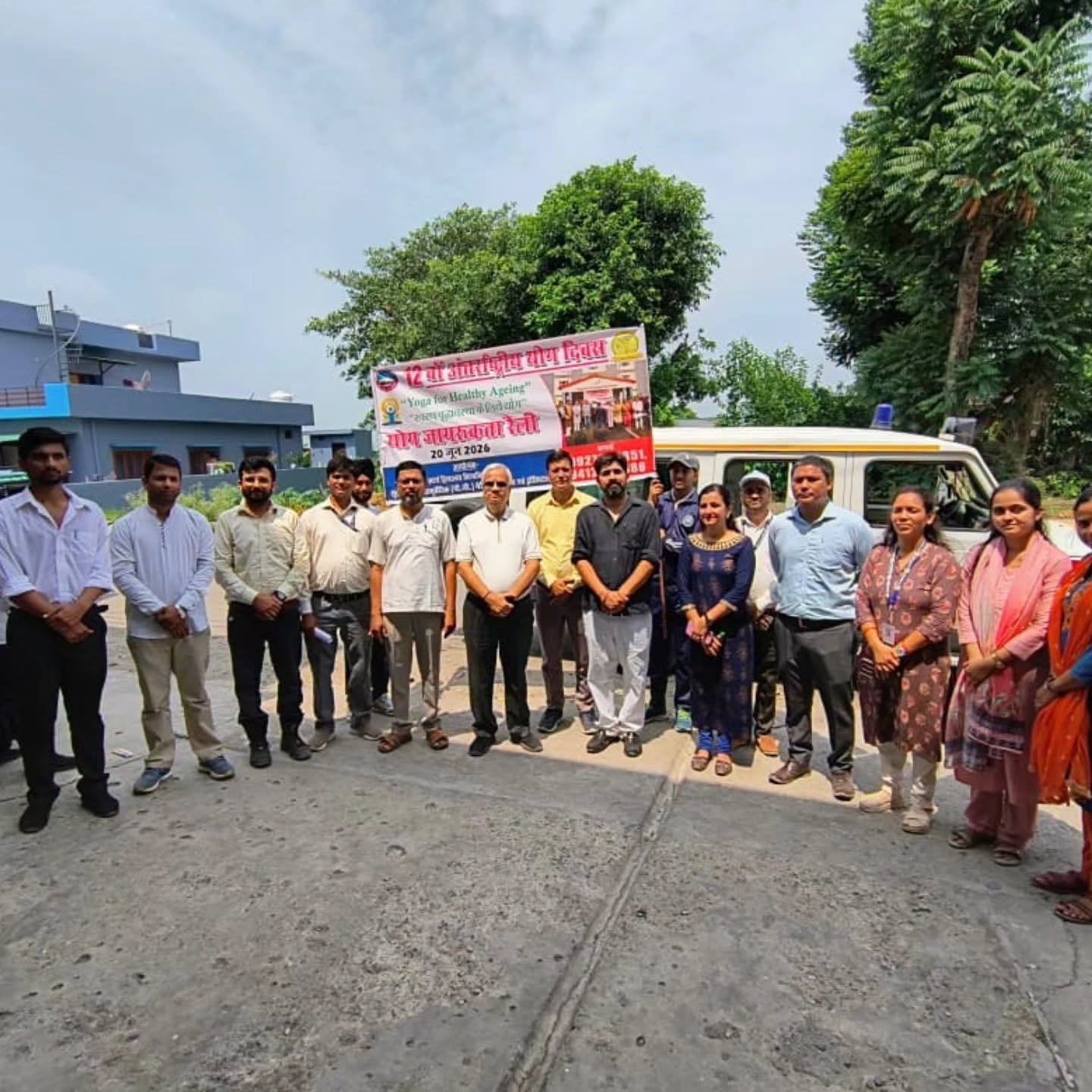
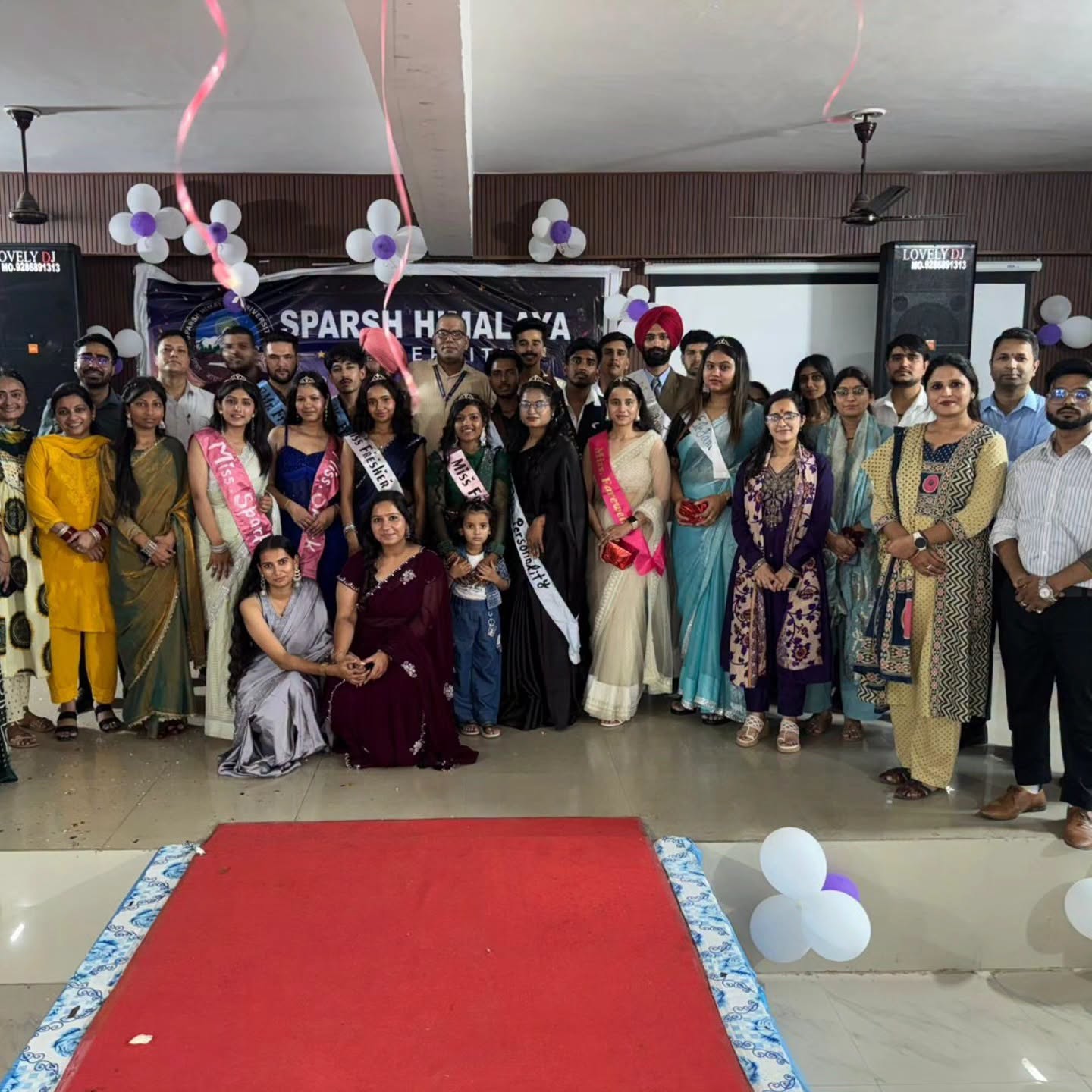
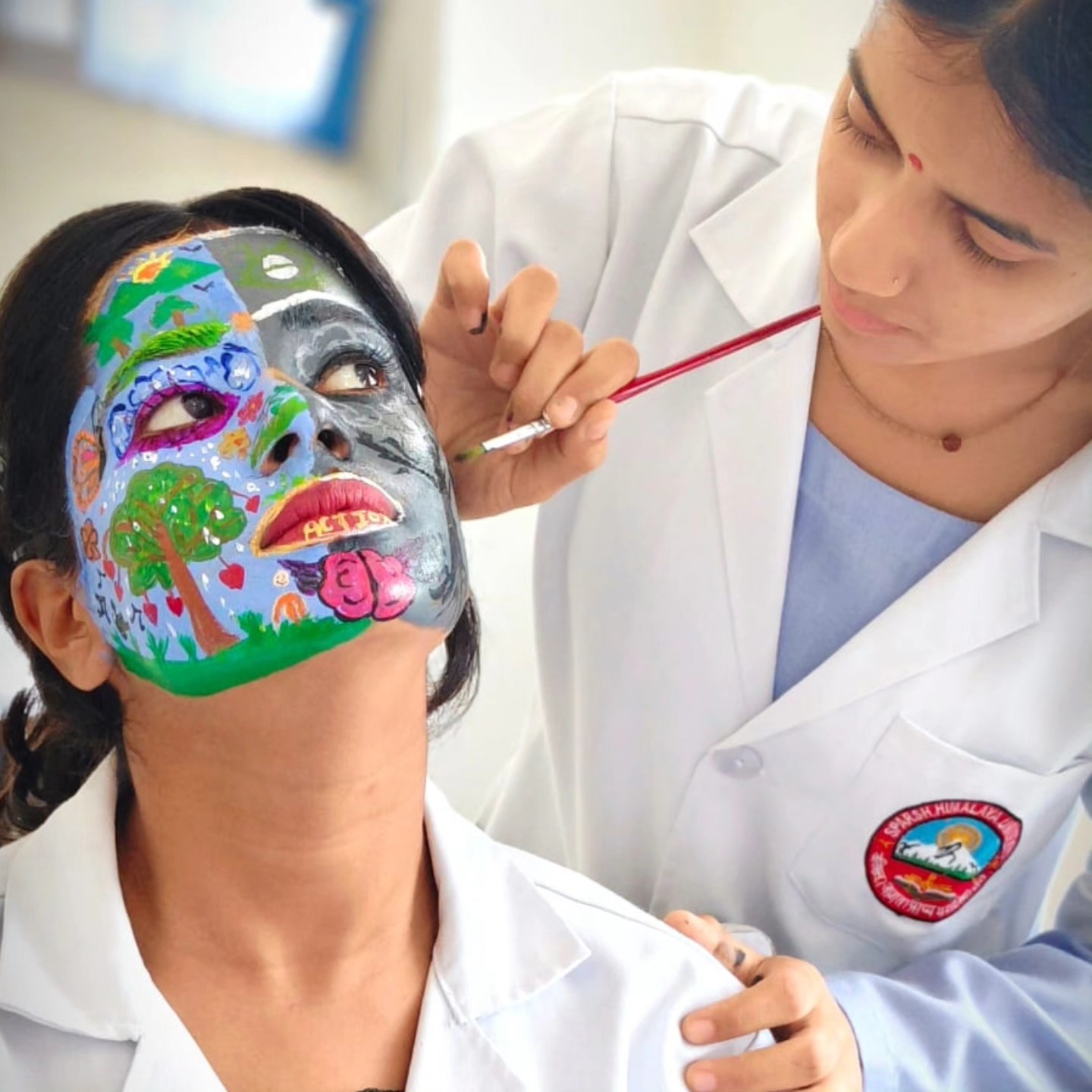
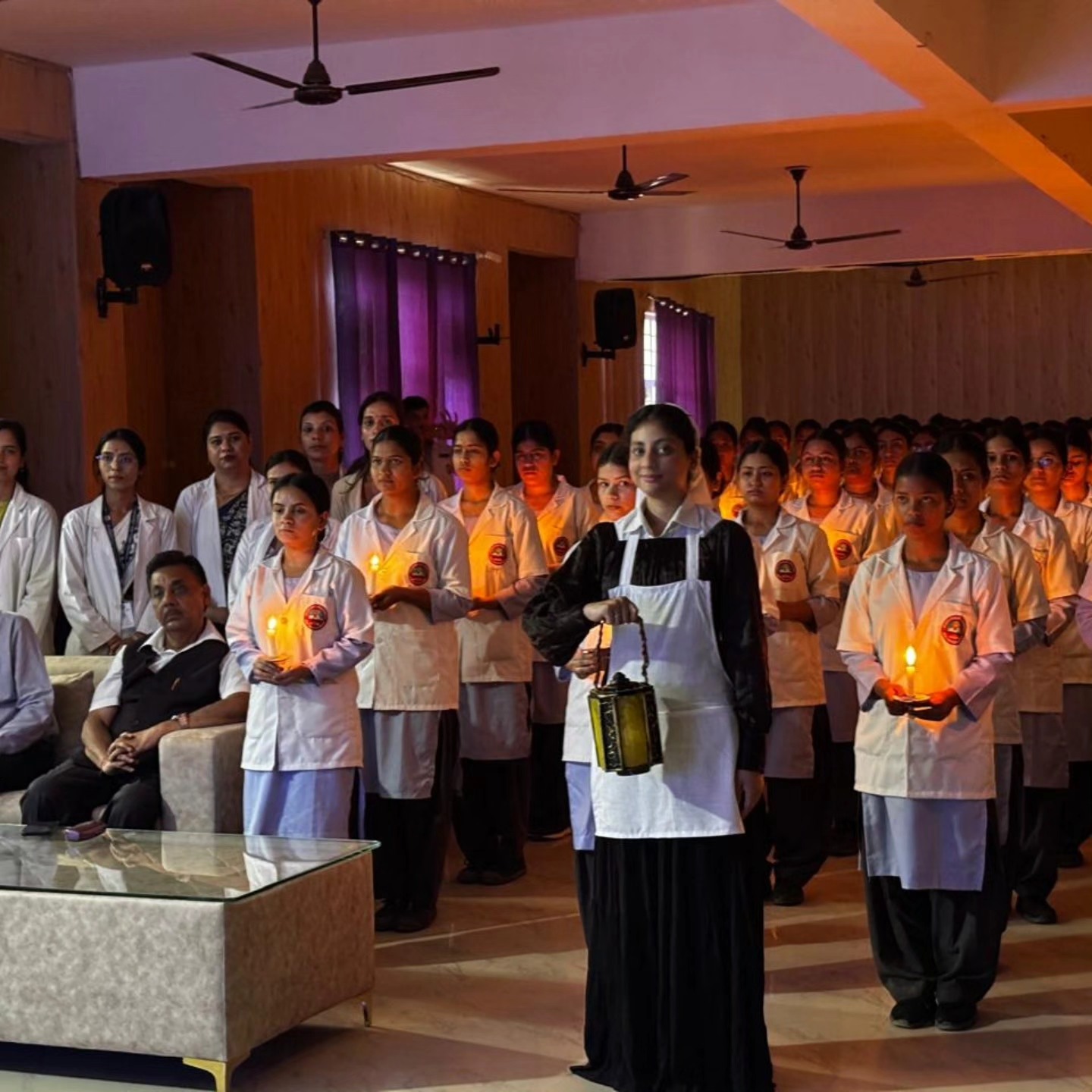
Celebrate the beautiful journey of growth, learning, friendships and dreams


 Apply Now
 Fee Structure
 Enquiry
 Quick Links